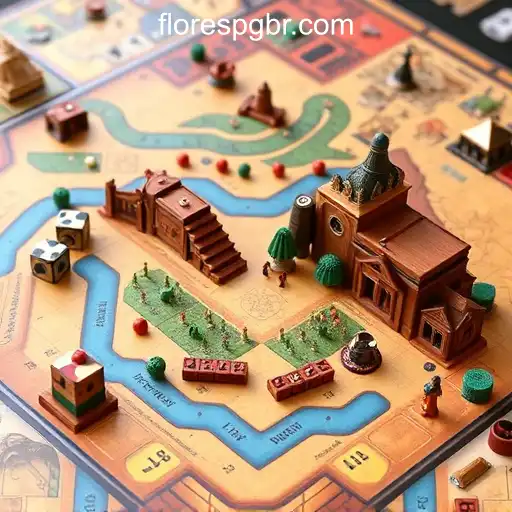
The Evolving World of Board Games
In the digital age, where video games and online multiplayer games dominate the entertainment landscape, the resurgence of board games is a remarkable phenomenon. Passionate communities are bringing traditional tabletop experiences back to center stage, blending nostalgia with innovation. From the simple roll of dice to the intricate strategies that modern players employ, board games continue to captivate audiences worldwide.
The Historical Journey of Board Games
Board games have been an integral part of human history for thousands of years. Traces of ancient gaming boards have been found in archaeological sites, revealing that people as early as 3500 B.C. enjoyed these pastimes. The Royal Game of Ur, for instance, is one of the earliest known board games, offering insights into the cultural practices of ancient Mesopotamians.
Fast forward to the modern era, and classic board games like Monopoly, Scrabble, and Risk have become household staples. These games not only provide entertainment but also offer educational benefits, such as improving vocabulary, strategic thinking, and arithmetic skills.
The Modern Renaissance of Board Games
The turn of the 21st century marked a significant renaissance for board games. This resurgence is largely attributed to the "Eurogame" phenomenon, with titles like Settlers of Catan and Ticket to Ride leading the charge. Unlike traditional games dominated by luck, Eurogames emphasize strategy, cooperation, and resource management, catering to more sophisticated gaming preferences.
The popularity of these games parallels the rise of niche gaming conventions and meet-ups where enthusiasts gather to explore new titles and share tactics. This renewed interest has also been fueled by platforms like Kickstarter, which enable indie creators to fund and launch innovative board game ideas without traditional publishing roadblocks.
Technological Integration
Technology has not been left behind in this board game revival. Digital apps now complement board games, providing companion tools that streamline gameplay or elaborate tutorials that assist players in learning new rules. Virtual board game platforms also allow players to enjoy these experiences remotely, broadening the reach of tabletop games.
Moreover, augmented reality (AR) has started to weave its way into board game design, enriching the gaming environment with dynamic visuals and interactions that were previously unimaginable. These technological advancements are transforming board games into hybrid experiences, blending the tactile satisfaction of physical pieces with the limitless possibilities of digital innovation.
The Social Aspects of Board Gaming
Board games stand out in the crowded entertainment space by emphasizing direct social interaction. In a world often dominated by screens, the face-to-face engagement provided by board games is a breath of fresh air for many players. Games often require negotiation, collaboration, and sometimes friendly competition, bringing people together in a shared experience.
This social aspect has made board games a popular choice for team-building exercises and educational settings, underscoring their ability to enhance communication skills and foster community.
The Global Influence of Board Games
As board games continue to grow in popularity, they are also experiencing diversification. Designers are drawing inspiration from various cultures, incorporating local myths, art, and folklore to create rich narratives within gameplay. This cultural exchange enhances the gaming landscape, making each game a unique representation of its origins.
Similarly, regional preferences influence which games gain traction. For example, the strategic intricacies loved in European markets might differ from the fast-paced, action-oriented games preferred elsewhere. This variation highlights the adaptability of board games across different demographics.
The Role of Board Games in Modern Entertainment
Despite the competition from digital media, board games have carved out a niche in the modern entertainment ecosystem. Events centered around board games, such as tournaments or themed game nights, are becoming increasingly popular, providing dynamic alternatives to conventional activities such as FloresPG.com Oficial Slots Brasil #1.
Furthermore, the timeless nature of board games ensures they remain an integral part of family gatherings and community events. This endurance is a testament to their inherent appeal and versatility in meeting the entertainment needs of all ages.
Conclusion
The future of board games looks promising as designers continue to push boundaries and explore new horizons. From incorporating cutting-edge technology to fostering cultural diversity, the evolving world of board games reflects our changing times while staying true to the core values of creativity, strategy, and social connection.
For enthusiasts and newcomers alike, the vast array of choices offers something for every interest and skill level. Whether you are a seasoned gamer or looking to explore something new, the rich tapestry of board games is waiting to be discovered, providing endless hours of innovation, challenge, and fun.
Continue your discovery of all things entertaining with a click away from slots and board games, here.